

A New Health Alert Emerging in Asia
A new outbreak of the Nipah virus has triggered concern across parts of Asia, with health authorities stepping up surveillance and airport screening measures. While the number of confirmed cases remains limited, the virus’s high fatality rate and lack of specific treatment make it a serious global health watchpoint.
For men—especially those who travel frequently or work in high-stress environments—understanding emerging health risks like this is essential for protecting both physical and mental well-being.
What Is the Nipah Virus?
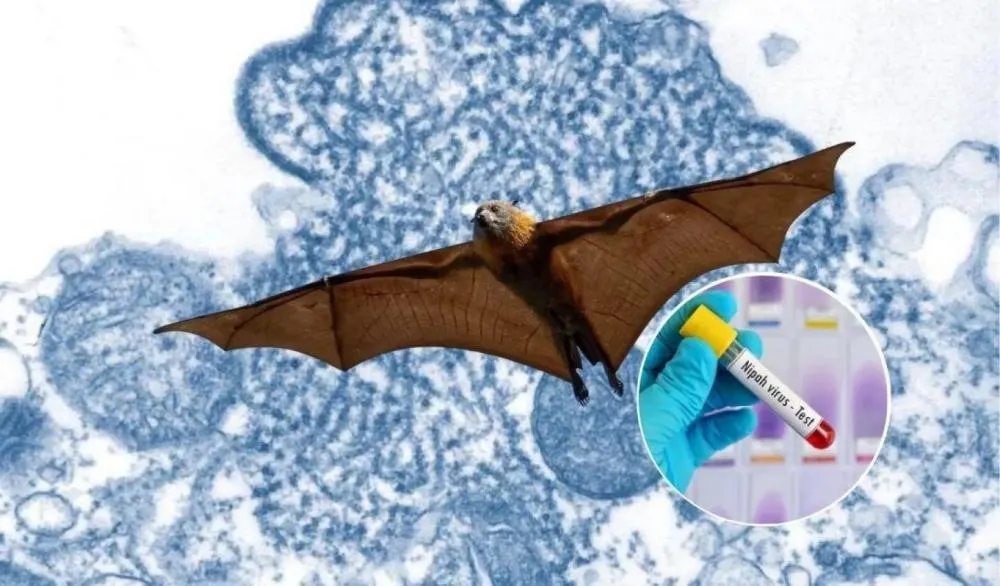
The Nipah virus is a rare but highly dangerous zoonotic virus, meaning it spreads from animals to humans. It can cause:
- Severe respiratory illness
- Brain inflammation (encephalitis)
- Rapid health deterioration in serious cases
According to global health authorities, Nipah has a high mortality rate, making early detection and prevention critical.
Recent Outbreak: What’s Happening Now?
Health officials recently confirmed multiple cases in parts of Asia, including infections among healthcare workers. In response:
- Close contacts have been placed under quarantine
- Health monitoring systems have been activated
- Local containment strategies are underway
While the outbreak is currently localized, the situation is being closely monitored due to the virus’s potential severity.
Why Airports Are Increasing Screening Measures
Countries across Asia have strengthened airport health protocols to prevent international spread.
Enhanced Safety Measures Include:
- Passenger health screenings upon arrival
- Monitoring for flu-like symptoms
- Routine health checks at entry points
- Increased surveillance for travelers from affected regions
These precautions mirror strategies used during past global health crises and are designed to contain risks before they spread internationally.
How the Nipah Virus Spreads
Understanding transmission is key to prevention.
The virus can spread through:
- Direct contact with infected animals (especially bats or pigs)
- Consumption of contaminated food
- Close contact with infected individuals or bodily fluids
👉 Human-to-human transmission is possible, which is why early containment is critical.
Symptoms to Watch For
Symptoms can appear within days of exposure and may escalate quickly.
Early Signs:
- Fever
- Headache
- Muscle pain
- Fatigue
Severe Symptoms:
- Difficulty breathing
- Confusion or disorientation
- Seizures
- Encephalitis (brain inflammation)
⚠️ Severe cases can progress rapidly and require urgent medical attention.
Why This Matters for Men’s Health
Men often delay seeking medical help, especially when symptoms seem mild or work obligations take priority.
In the case of serious infections like Nipah, this delay can increase health risks.
Key Considerations:
- Early action can be life-saving
- Ignoring symptoms may lead to complications
- High-stress lifestyles can weaken immune response
👉 Staying informed is not fear—it’s strategy.
Prevention: Practical Steps to Stay Safe
While there is currently no vaccine or specific treatment, prevention remains the most effective defense.
Protect Yourself With These Habits:
- Avoid close contact with sick individuals
- Wash hands regularly and thoroughly
- Avoid consuming raw or potentially contaminated foods
- Follow travel advisories and health guidelines
- Seek medical attention if symptoms appear after travel
Should You Be Worried?
At this stage, the risk of a widespread global outbreak remains low but under active surveillance.
Health authorities emphasize that current measures—especially airport screening and rapid response protocols—are designed to prevent escalation.
Staying informed without panic is the most balanced approach.
Final Thoughts: Awareness Is Your Best Protection
The Nipah virus is a reminder that global health threats can emerge quickly—and preparedness matters.
For men focused on performance, productivity, and long-term health, ignoring potential risks is not strength—it’s vulnerability.
Awareness, prevention, and timely action are the real tools of resilience.
FAQ
1. Is the Nipah virus contagious between humans?
Yes, human-to-human transmission can occur through close contact, especially in healthcare or household settings.
2. Is there a vaccine or cure for Nipah virus?
No. Currently, there is no specific vaccine or targeted treatment available.
3. What is the survival rate of Nipah virus?
The mortality rate can be high, varying between 40% and 75% depending on the outbreak and healthcare response.
4. Should travelers cancel trips to affected regions?
Not necessarily. Travelers should follow official health guidelines, stay updated, and take preventive precautions.
