

Feeling Drained All the Time? It Might Be More Than Stress
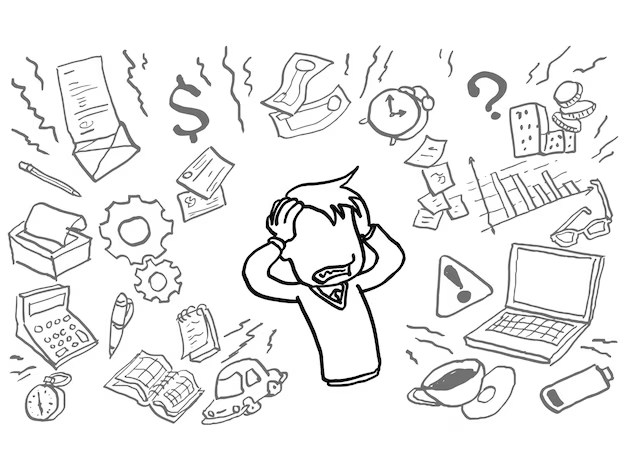
If you wake up tired, struggle to stay focused, and feel disconnected from your work or personal life, you’re not alone. Many men assume it’s just part of a busy life—but persistent exhaustion could be a warning sign of burnout.
Male burnout is a silent and growing problem. It often goes unrecognized for months or even years, gradually impacting your mental clarity, physical health, and overall quality of life.
In this guide, you’ll learn how to identify burnout, understand why men are particularly at risk, and take practical steps to regain control.
What Is Burnout? (And Why It’s Not Just Fatigue)
Burnout is a state of chronic physical, mental, and emotional exhaustion caused by prolonged stress—especially work-related pressure.
Unlike normal tiredness, burnout doesn’t disappear after a good night’s sleep or a weekend break. It lingers, worsens over time, and affects how you think, feel, and perform.
The 3 Core Dimensions of Burnout
Understanding these pillars helps you recognize burnout early:
- Emotional Exhaustion: You feel completely drained and overwhelmed
- Mental Detachment: You become cynical or disconnected from work and people
- Low Sense of Achievement: You feel ineffective and question your value
Why Burnout Hits Men Differently
The Pressure to Always Be Strong
Many men grow up hearing messages like:
- “Don’t show weakness”
- “Handle your problems alone”
- “Push through no matter what”
This mindset creates a dangerous pattern: ignoring stress until it becomes overwhelming.
When Your Identity Is Tied to Your Work
For many men, success = self-worth.
This leads to:
- Overworking without limits
- Avoiding breaks or recovery time
- Feeling guilty for slowing down
The result? A fast track to burnout.
The Fear of Being Judged
Admitting exhaustion can feel risky—especially in competitive environments.
Men often worry that speaking up will make them seem:
- Less capable
- Replaceable
- Weak
So they stay silent—and the problem escalates.

11 Warning Signs of Burnout in Men
Burnout builds slowly. It often hides behind ambition and responsibility.
Watch for these red flags:
- Constant fatigue (even after rest)
- Irritability or short temper
- Trouble sleeping or waking up tired
- Reduced libido
- Loss of motivation or enjoyment
- Frequent headaches, back pain, or stomach issues
- Brain fog and forgetfulness
- Feeling emotionally numb
- Avoiding social interactions
- Increased alcohol or caffeine consumption
- Feeling like your job defines your entire identity
👉 If you recognize several of these symptoms, it’s time to take action.
The Hidden Physical Effects of Burnout
Burnout doesn’t just affect your mindset—it directly impacts your body.
Chronic stress can lead to:
- Elevated cortisol (stress hormone)
- Reduced testosterone levels
- Increased risk of heart disease
- Weakened immune system
- Weight gain (especially abdominal fat)
- Erectile dysfunction linked to stress
Bottom line: ignoring burnout can seriously damage your long-term health.
How to Recover from Burnout (Step-by-Step)
1. Recognize What’s Happening
Awareness is your turning point.
Burnout is not failure—it’s a biological response to prolonged overload. The sooner you acknowledge it, the faster you can recover.
2. Get Professional Support
You don’t have to figure this out alone.
Evidence-based approaches like Cognitive Behavioral Therapy (CBT) can help you:
- Break negative thought cycles
- Manage stress effectively
- Rebuild mental resilience
3. Set Clear Boundaries at Work
This is critical.
Start with:
- Defining fixed work hours
- Saying “no” to unnecessary demands
- Turning off notifications after work
- Taking real breaks during the day
👉 Boundaries protect your energy—they don’t reduce your value.
4. Prioritize Real Recovery (Not Just Distractions)
Scrolling your phone isn’t rest.
Real recovery includes:
- 7–9 hours of quality sleep
- Regular physical activity
- Time outdoors
- Screen-free downtime
- Engaging in hobbies you enjoy
5. Talk to Someone You Trust
Opening up is powerful.
Whether it’s a friend, partner, or mentor, sharing what you’re experiencing can:
- Reduce emotional pressure
- Provide perspective
- Help you feel less alone
How to Prevent Burnout Before It Starts
Prevention is always easier than recovery.
Build these habits early:
- Schedule regular downtime
- Avoid constant overcommitment
- Check in with your mental health weekly
- Separate your identity from your job
- Maintain relationships outside of work
Final Thoughts: Redefining Strength
Burnout doesn’t mean you’re weak—it means you’ve been strong for too long without support.
True strength isn’t about pushing endlessly. It’s about knowing when to pause, reset, and take care of yourself.
Because the strongest men aren’t the ones who never break—they’re the ones who know how to recover.
FAQ
1. What causes burnout in men?
The main causes include chronic work stress, lack of boundaries, high expectations, and emotional suppression.
2. Can burnout affect testosterone levels?
Yes. Prolonged stress increases cortisol, which can suppress testosterone production.
3. How long does burnout recovery take?
It varies. Mild cases may improve in weeks, while severe burnout can take several months with proper support.
4. Is burnout the same as depression?
No, but they can overlap. Burnout is primarily work-related exhaustion, while depression affects multiple areas of life and may require different treatment.
